Moisture buildup inside outdoor electrical enclosures is a significant concern for many professionals. Understanding why does moisture build up inside outdoor electrical enclosures is crucial for ensuring their longevity and reliability. Outdoor enclosures protect valuable electrical components from the elements. However, they can become a breeding ground for moisture if not properly designed or maintained.
Several factors contribute to this issue. Temperature fluctuations can create condensation inside the enclosure. Humidity levels play a critical role as well. When warm, humid air enters a cooler enclosure, moisture can form. Ineffective seals and ventilation can exacerbate the problem, allowing moisture ingress without proper exit pathways. Additionally, poor drainage can trap water inside, leading to increased risks of corrosion and electrical failure.
Addressing these challenges requires a thoughtful approach. The materials used, the design of the enclosure, and installation practices can make a significant difference. It’s essential to evaluate enclosures regularly. Small oversights can lead to costly repairs and safety hazards. In a world reliant on electricity, recognizing these moisture-related issues is vital for maintaining operational efficiency and safety standards.
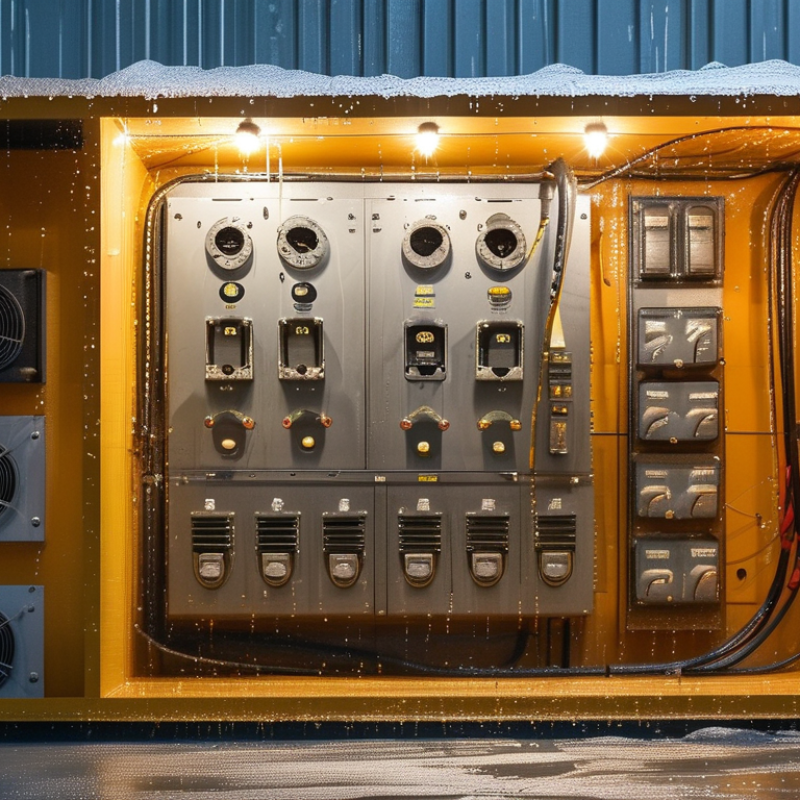
Temperature fluctuations inside outdoor electrical enclosures can lead to moisture buildup. This issue often arises from rapid changes in weather. For instance, a report from the National Renewable Energy Laboratory (NREL) shows that outdoor temperatures can swing dramatically, ranging from freezing to above 100°F within a single day. Such shifts create condensation. The moisture can compromise electrical components.
Another factor contributing to humidity is inadequate ventilation. Many outdoor enclosures lack proper airflow. Without vents or filters, heat generated by electrical equipment remains trapped. A study highlighted that 70% of electrical failures are linked to overheating and moisture. This connection emphasizes the importance of optimal design and maintenance.
Furthermore, materials used in enclosure construction can affect internal temperature. Materials with low thermal conductivity help avoid significant temperature variations. However, many enclosures use cheaper, less effective materials that fail to insulate properly. This exposes electronic components to avoidable temperature changes, increasing the risk of moisture accumulation. Ensuring a balance between cost and reliability is essential for long-term performance.
Humidity plays a critical role in the performance of electrical equipment housed in outdoor enclosures. High moisture levels can lead to condensation inside these enclosures, which can cause various performance issues. Over time, moisture can degrade insulation materials and create corrosion on metal parts. This deterioration can reduce the life span of electrical components, leading to costly repairs.
The impact of humidity is not just physical. It can also affect the reliability of electronic circuits. When moisture accumulates, it can create short circuits or lead to erratic functionality. With the increase in temperature and humidity, the risk of failure escalates significantly. Outdoor enclosures often lack sufficient ventilation, intensifying this problem.
Addressing humidity is essential. Regular checks on seals and gaskets can help maintain a dry environment inside enclosures. However, it’s not always easy to implement effective solutions. Many electrical installations may overlook this aspect until issues arise. The ongoing battle against moisture demands constant attention to detail and a proactive approach.
Inadequate sealing is a primary reason moisture accumulates inside outdoor electrical enclosures. According to the National Electrical Manufacturers Association (NEMA), nearly 60% of outdoor electrical failures result from moisture ingress. This alarming statistic highlights the urgent need for proper sealing techniques. When enclosures lack sufficient sealing, gaps and cracks expose inner components to rain, humidity, and temperature shifts. Such exposure not only compromises safety but also accelerates equipment degradation.
Research by the Institute of Electrical and Electronics Engineers (IEEE) reveals that poorly sealed enclosures can lead to short circuits and equipment malfunctions. Moisture can penetrate while the device is operational, creating a hazardous environment. It often goes unnoticed until significant damage occurs. Electrical enclosures should employ gaskets, seals, and ventilation systems designed to repel moisture effectively.
There is a common misconception that all enclosures are adequately sealed by default. This is rarely true. A recent report indicated that 40% of field installations fail to meet sealing standards. Issues like improper installation or wear over time can exacerbate moisture problems. It’s essential for operators to regularly inspect and maintain their electrical enclosures to ensure proper sealing and functionality.
Moisture buildup in outdoor electrical enclosures often stems from poor drainage solutions. Many installations overlook the significance of proper water runoff. A report from the National Electrical Manufacturers Association (NEMA) indicates that inadequate drainage can lead to accelerated corrosion. This compromises not only the enclosure but also the electrical components inside.
Common issues include poorly designed drainage paths. Water may pool near the enclosure due to a lack of grading. Furthermore, many enclosures lack proper vents orbreathers to allow moisture escape. This stagnation can lead to internal humidity levels rising. Studies suggest that environments with high humidity can shorten equipment lifespan by nearly 30%.
Regular inspections are crucial for identifying these weaknesses. Many engineers recommend using drainage mats or sloped bases. However, these solutions are frequently neglected or improperly installed. It's vital to address these flaws to enhance reliability. Without proactive measures, moisture will compromise safety standards over time. Implementing effective drainage practices is not merely an afterthought; it is a necessity for long-term reliability.
| Reason | Description | Impact |
|---|---|---|
| Poor Sealing | Inadequate sealing around enclosures allows moisture ingress. | Increased risk of corrosion. |
| Condensation | Temperature fluctuations can cause condensation inside the enclosure. | Potential electrical failures. |
| Improper Drainage | Lack of proper drainage solutions can lead to water pooling around the enclosure. | Short circuits and equipment damage. |
| Humidity | High environmental humidity can increase moisture levels inside enclosures. | Decreased longevity of electrical components. |
| Inadequate Ventilation | Poor ventilation can trap moisture inside the enclosure. | Increased risk of overheating. |
| Openings for Cables | Cable entry points can be a source of moisture ingress if not sealed. | Electrical shorts and failures. |
| Flooding | Nearby flooding can overwhelm drainage systems. | Complete equipment failure. |
| Thermal Cycles | Repeated heating and cooling create conditions for moisture buildup. | Degradation of insulation. |
| Material Quality | Use of substandard materials can lead to poor moisture resistance. | Increased maintenance costs. |
| Installation Errors | Incorrect installation can create vulnerabilities for moisture entry. | Frequent repairs needed. |
Moisture retention in outdoor electrical enclosures is heavily influenced by material selection. Different materials exhibit varying levels of permeability. For instance, plastic enclosures can allow some moisture entry over time, while metal can trap humidity even more effectively. This entrapment creates a conducive environment for corrosion and electrical malfunctions. Choosing the right materials is crucial in mitigating these risks.
The insulation properties of the chosen material also play a significant role. Some materials may be resistant to moisture but can also insulate poorly against temperature changes. This can lead to condensation formation inside the enclosure. It’s essential to evaluate how the material will respond to fluctuating weather conditions. Some solutions that appear adequate in theory may have unforeseen consequences in practice. Proper analysis of environmental conditions helps in making better choices.
Additionally, joint sealing and lid gaskets affect moisture intrusion. Gaskets that deform or degrade over time compromise the enclosure's integrity. Selecting materials and components that stand the test of time is not just ideal; it's necessary. Reflection on these choices can prevent potential failures. Inadequate material selection often results in costly repairs and safety risks.
: High humidity leads to condensation, causing performance issues and degrading insulation materials.
Moisture can cause corrosion and reduce the lifespan of electrical components, leading to costly repairs.
Adequate sealing prevents moisture ingress, which can compromise safety and equipment performance.
Nearly 60% of outdoor electrical failures result from moisture ingress.
No, about 40% of installations fail to meet sealing standards, often due to improper installation or wear.
Poor drainage can accelerate corrosion and lead to rising humidity levels inside the enclosure.
Issues include inadequate grading and lack of vents, which can result in stagnant moisture.
Regular inspections help identify weaknesses in sealing and drainage, preventing future issues.
Many believe all enclosures are sealed properly, which is not the case.
High internal humidity levels can shorten the lifespan of equipment by nearly 30%.
Moisture build-up inside outdoor electrical enclosures is a significant concern for ensuring the longevity and reliability of electrical equipment. One of the primary reasons for this issue is temperature fluctuations, which can lead to condensation. As warm air inside the enclosure cools, it releases moisture, causing potential hazards for the electrical components. Furthermore, high humidity levels can negatively impact performance, leading to malfunctions and failure.
Inadequate sealing around enclosures can exacerbate the problem, allowing external moisture to infiltrate. Poor drainage solutions also contribute to accumulation, as water can pool around enclosures rather than being effectively diverted away. Finally, the choice of materials in the construction of these enclosures can influence how much moisture is retained, highlighting the need for careful consideration of all these factors. Understanding why does moisture build up inside outdoor electrical enclosures is crucial for preventing damage and ensuring operational integrity.

Zeno Electric