As the demand for energy storage systems grows, choosing the right type of battery for battery energy storage systems (BESS) becomes critical. The choice often lies between lithium-ion and flow batteries. According to a recent report by BloombergNEF, the global energy storage market is projected to hit 1,000 gigawatt-hours by 2040. This significant increase suggests the need for informed decision-making about battery technology.
Industry expert Dr. Emily Chen emphasizes, “Understanding the strengths and weaknesses of each technology is vital to making the right choice.” When considering how to choose between lithium-ion and flow batteries for BESS, critical factors include cost, lifespan, scalability, and environmental impact. Lithium-ion batteries offer high energy density and efficiency but may degrade faster over time. Flow batteries, on the other hand, provide longer cycle lives and better sustainability but often at a higher upfront cost.
Reflecting on this choice, many stakeholders face uncertainty. They must evaluate specific application needs and operational demands. Each battery type brings its unique set of challenges and benefits. Recognizing these dynamics is crucial for any energy project. The decision ultimately impacts cost-efficiency, reliability, and sustainability in energy storage solutions.
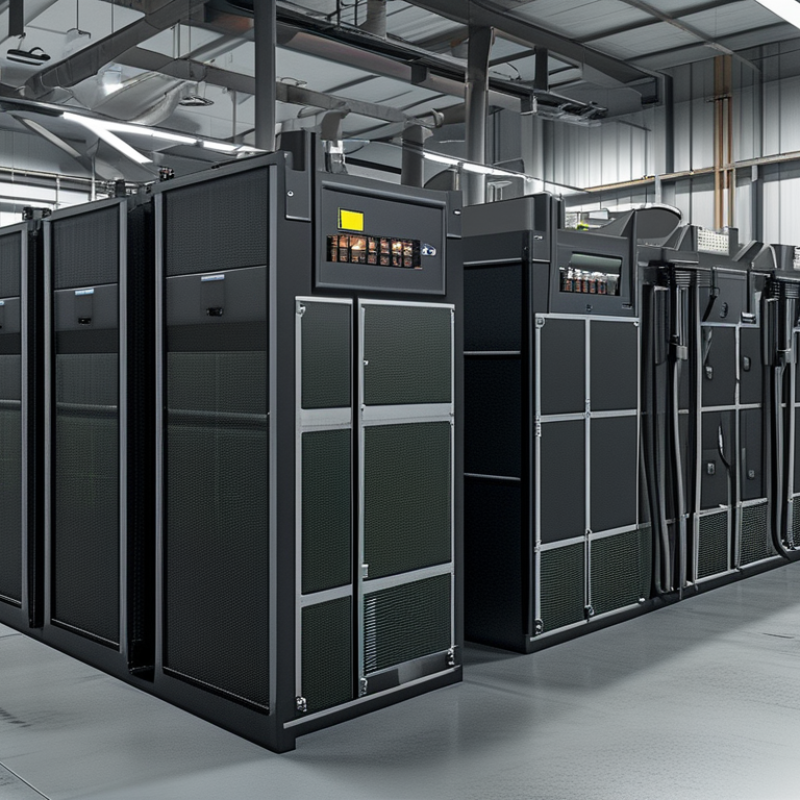
Battery Energy Storage Systems (BESS) are gaining significant attention due to their role in renewable energy integration. Understanding BESS involves recognizing various battery technologies. Among these, lithium-ion and flow batteries stand out. Lithium-ion batteries are known for their high energy density. They can store large amounts of energy in a compact size. Flow batteries, however, offer distinct advantages in longevity and modularity. They perform well in applications requiring larger energy capacities over extended periods.
Choosing the right technology depends on several factors. The intended application and scale become crucial. Lithium-ion batteries are commonly used for grid storage. Their rapid charge and discharge cycles suit many modern applications. In contrast, flow batteries excel in long-duration energy storage. Their ability to supply power over hours or days is significant for balancing grid demands. However, flow batteries generally require more space and can have higher upfront costs.
Reflecting on the choice between these technologies is essential. Each has strengths and weaknesses. Professionals must assess the long-term needs over upfront costs. Efficiency is vital, yet environmental impact also matters. A careful evaluation of site-specific conditions is necessary before making a decision. Balancing these aspects will lead to a more informed choice for energy storage solutions.
Lithium-ion battery technology has transformed the energy storage landscape. These batteries are known for their high energy density and efficiency. Data from the International Energy Agency shows that lithium-ion batteries accounted for over 90% of the portable electronics market in 2022. Their growing importance in grid storage applications is undeniable.
The performance of lithium-ion batteries comes with specific challenges. They typically have a lifespan of 5 to 15 years. After this period, capacity degradation becomes a concern. Reports indicate that certain types of lithium-ion batteries lose up to 20% of their capacity after just 500 charge cycles. This raises questions about their long-term reliability for energy storage systems. Environmental concerns also arise, as the extraction of lithium can have significant ecological impacts.
Furthermore, safety remains a critical issue. Lithium-ion batteries can be susceptible to overheating and thermal runaway. Industry analyses suggest that approximately 20% of battery-related incidents stem from manufacturing defects. As the demand for energy storage grows, these factors warrant a careful evaluation of lithium-ion technology.
Flow batteries are a fascinating alternative in energy storage systems. Unlike traditional lithium-ion batteries, flow batteries use liquid electrolytes to store energy. This unique design allows for scalability. Users can increase capacity simply by adding more electrolyte. This property is particularly appealing for large-scale applications.
One significant benefit of flow batteries is their longevity. They can endure thousands of cycles without a significant drop in performance. This durability translates to lower maintenance costs over time. Flow batteries also offer a wider operating temperature range. This characteristic makes them suitable for various environments, from hot to cold climates.
However, challenges remain. Flow batteries are often larger and heavier than their lithium-ion counterparts. Their upfront costs can also be higher. These factors make deploying flow batteries in certain applications more complex. Despite these hurdles, the benefits of sustainability and longevity keep drawing attention to this technology. Continued research is vital to enhance efficiency and affordability, making flow batteries a viable option for future energy solutions.
When comparing lithium-ion and flow batteries for battery energy storage systems (BESS), several performance metrics emerge as crucial. Lithium-ion batteries are known for their high energy density. They offer compact designs and quick charging capabilities. This makes them a popular choice for applications where space and speed matter. However, they can degrade over time. Their lifespan varies depending on factors like temperature and usage patterns, often raising concerns about long-term reliability.
On the other hand, flow batteries have distinct advantages. They are scalable and can operate for longer durations. Their lifespan exceeds that of lithium-ion batteries, thanks to their ability to easily change the electrolyte solution. This reduces degradation issues. Yet, flow batteries typically have a lower energy density. This means they require more space, which can be a limiting factor in some installations. Reliability may also vary based on system design.
Ultimately, choosing between these two technologies involves trade-offs. The specific application goals should guide the decision. Lithium-ion may shine in rapid-response scenarios, while flow batteries could be better for large-scale energy management. A thorough evaluation of performance metrics is essential for selecting the right technology.
| Performance Metric | Lithium-ion Batteries | Flow Batteries |
|---|---|---|
| Energy Density (Wh/kg) | 150-250 | 20-40 |
| Cycle Life (Number of cycles) | 500-2000 | 2000-10,000 |
| Charge Time (hours) | 1-4 | 4-10 |
| Operating Temperature (°C) | -20 to 60 | -10 to 40 |
| Cost ($/kWh) | 300-700 | 200-600 |
| Efficiency (%) | 85-95 | 70-85 |
When selecting batteries for a Battery Energy Storage System (BESS), several key factors come into play. The choice often boils down to lithium-ion and flow batteries. Lithium-ion batteries are popular due to their high energy density and efficiency. They offer quick charging times and compact sizes, making them suitable for various applications. According to a 2023 market report, lithium-ion batteries are expected to account for over 80% of the BESS market by 2025. However, their lifecycle cost and environmental impact raise concerns.
Flow batteries present a compelling alternative. They offer longer life cycles and lower degradation rates. Flow batteries are more scalable and can provide power for extended periods, but they typically have lower energy density. A study indicates that flow batteries could be more cost-effective for large-scale storage needs, particularly in renewable energy applications. They are ideal for scenarios requiring frequent cycling.
Consider site requirements and energy usage. Shorter discharge times favor lithium-ion systems, while longer durations may necessitate flow batteries. Also, evaluate environmental conditions. Lithium-ion may struggle in extreme temperatures, whereas flow systems can operate well in diverse climates. Reflect on these aspects to match the right technology with your specific needs.
: BESS are systems that store energy for later use, crucial for integrating renewable energy sources.
Lithium-ion and flow batteries are widely recognized for their unique energy storage capabilities.
They have high energy density, allowing them to store large amounts of energy in a compact size.
Flow batteries use liquid electrolytes and offer longer lifespan and scalability, but generally require more space.
Consider intended application, scale, long-term needs, efficiency, and environmental impact.
Yes, flow batteries can be larger, heavier, and have higher upfront costs than lithium-ion batteries.
Temperature impacts the lifespan of lithium-ion batteries, while flow batteries can operate over a wider temperature range.
They can degrade over time, raising concerns about long-term reliability in energy storage applications.
Continued research could improve efficiency and reduce costs, making flow batteries more accessible for future use.
No, it involves trade-offs and should be guided by specific application goals and performance needs.
When considering how to choose between lithium-ion and flow batteries for Battery Energy Storage Systems (BESS), it's essential first to understand the core technologies involved. Lithium-ion batteries are renowned for their high energy density, efficiency, and maturity within the market, making them a popular choice for many applications. In contrast, flow batteries offer unique advantages such as longer lifespan and scalability, which can benefit larger, stationary storage requirements.
A thorough comparison of performance metrics reveals that while lithium-ion batteries may excel in short-duration energy storage with rapid discharge capabilities, flow batteries provide more flexibility for longer duration storage needs without degradation. Ultimately, the decision will depend on specific requirements, including application type, duration of energy discharge, cost considerations, and environmental factors. By evaluating these elements, stakeholders can make informed choices about the most suitable battery technology for their energy storage projects.

Zeno Electric